
Residual Sodium Check During Clean-in-Place Process
Caustic soda or sodium hydroxide (NaOH) is the chemical commonly used in alkaline cleaning solution for clean-inplace (CIP) in process plants. Measuring the sodium ion concentration on the water rinse or swab can indicate whether residual chemical has been removed properly from the process equipment.
Introduction
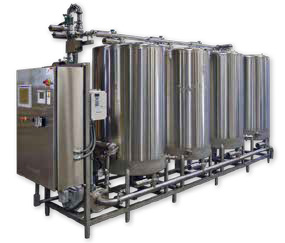
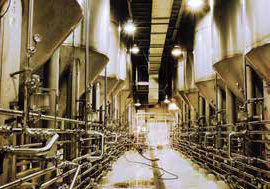
Clean-in-place (CIP) is a method of cleaning the interior surfaces of pipes, vessels, process equipment, filters and associated fittings without disassembly. The CIP system is run by digital computer called programmable logic controllers (PLCs) to control the flow, temperature, and time for the chemical solutions, which could be acidic, alkaline or sometimes both, to achieve maximum cleaning. The chemical solutions are circulated through a circuit of tanks and/or lines to eliminate contaminants or product residues and are rinsed out with water. Depending on the CIP system, chemical solutions may flow back to a reservoir so that they can be re-used or drained immediately after they have been used.
After CIP, the equipment should be visibly clean and free from chemical residues. The final water rinse must ensure that chemical residues are removed properly. Chemical residues from cleaning solutions can be monitored by specific or non-specific analytical method. Specific methods that detect the individual ingredients of cleaning solutions are ion selective electrode (ISE), high performance liquid chromatography (HPLC), thin layer chromatography (TLC), flame photometry, and ultraviolet spectroscopy. Non-specific methods that detect the presence of blend of ingredients are pH, conductivity, and total organic carbon (TOC). Specific methods are usually preferable by regulatory agencies, but they may accept non-specific methods with adequate rationales for their use.
As CIP offers fast, repeatable, and effective cleaning without chemical exposure risk to people, it is utilized in industries that require high levels of hygiene such as dairy, beverage, processed foods, pharmaceutical, and cosmetics. CIP is typically employed for cleaning bioreactors, fermenters, mix vessels and other equipment in manufacturing facilities and many CIP systems use alkaline cleaning solutions containing 0.5 to 2% (by weight) caustic soda or sodium hydroxide (NaOH) to remove fats and proteins.
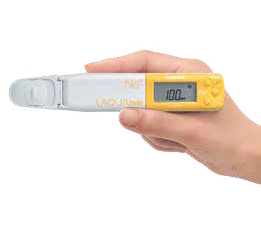
The LAQUAtwin B-722 or Na-11 sodium ion meter can be used to measure and monitor residual sodium ion (Na+) concentration during CIP in process plants. The meter analyses as little as 0.3 ml sample and delivers result in just few seconds. This fast, easy, and accurate measurement complements the cleaning efficiency of CIP.
Method
Calibrate the LAQUAtwin B-722 or Na-11 sodium ion meter according to manufacturer’s instructions using the 150ppm and 2000ppm sodium ion standards included in the kit.
Sample Measurement
Rinse water sampling and wipe sampling are two sampling methods for measuring cleaning chemical residues. Combination of these is desirable.
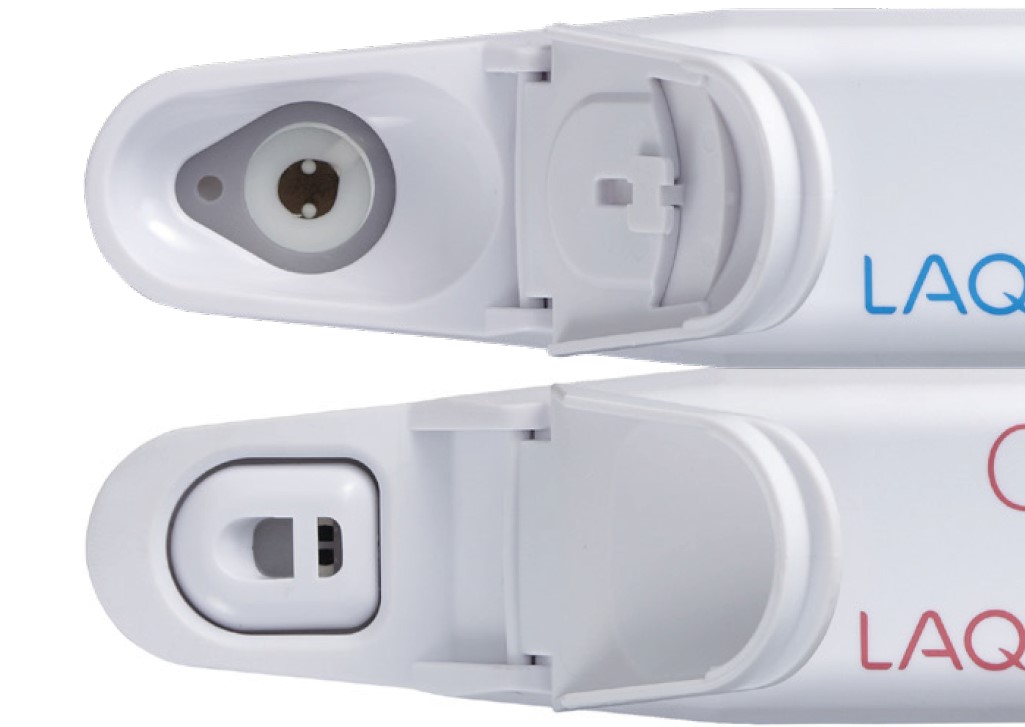
Rinse water sampling involves taking a sample of an equilibrated water rinse (usually water for injection or pure water) that has been recirculated over all surfaces. To measure, place drops of rinse water sample onto the sodium ion sensor using a pipette. Alternatively, open the sensor guard and soak the sensor into a beaker containing rinse water.
Swab or wipe sampling is done directly on equipment surfaces. This is performed in order to assure that the residues are being adequately detected and not simply sitting on the surface and not being dissolved into the equilibrated rinse water. Before wiping begins, allow the equipment to dry after the cleaning procedure and moisten the sampling sheet included in the meter kit with water for injection or pure water. To measure, wipe the surface with a moistened sampling sheet then place it onto the sensor. A blank preparation is required for this sampling method.
Refer to Technical Tip 2: LAQUAtwin Ion Sensor Maintenance Procedures for detailed information on conditioning, cleaning, and storing the sodium ion sensor. The technical tip can be downloaded from the support section of our website www.horiba-laqua.com.
Results and Benefits
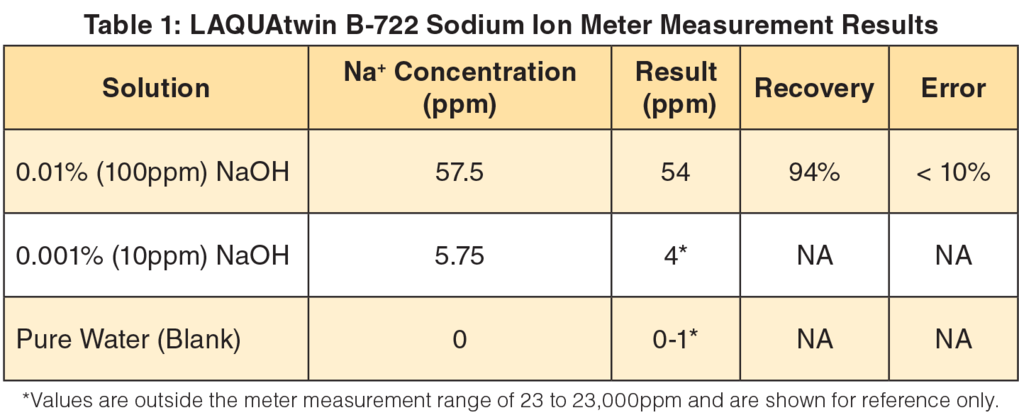
Cleaning validation is a critical part of current good manufacturing practice to ensure that production materials that come in contact with equipment surfaces are not contaminated. The pre-rinse, alkali circulation, and other steps must take place in correct order. Checks on the identity, purity and strength of cleaning chemicals and on quality of water used for rinsing are needed. Also, the validation protocol must include testing for the residual cleaning chemical to ensure that cleaning chemical used is properly removed. The analysis must be quantitative and the acceptance criteria are determined according to regulatory guidelines and company policy. The table above shows the measurement results of LAQUAtwin B-722 sodium ion meter.
References And Suggested Readings
- Batt, C.A., Modern Systems of Plant Cleaning. Encyclopedia of Food Microbiology, pp 194-199.
- Chan, C.C., Lam, H., Zhang X., Practical Approaches to Method Validation and Essential Instrument Qualification.
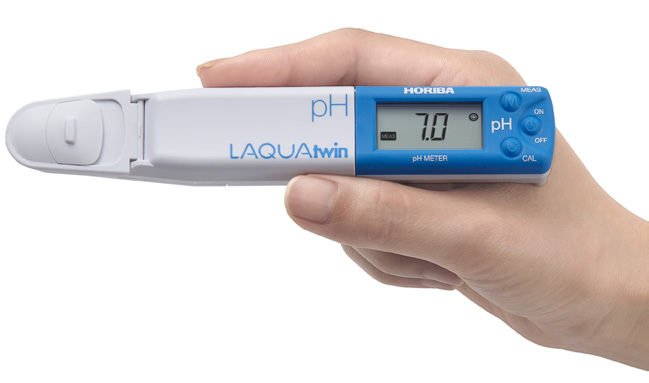
LAQUAtwin: the only meters with flat sensor technology.
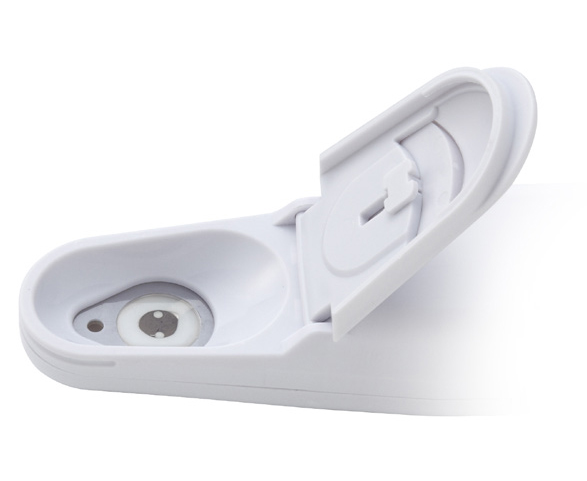
HORIBA’s highly-sensitive, flat sensor technology opens up new possibilities for sampling and sample types. Only a small amount of sample is required, so you can easily sample in situ without the need for beakers or other labware. Sensors are easily replaced as required.
Calibrate and measure at the touch of a button — the smiley face will tell you when the result can be read.
LAQUAtwin is fully waterproof and dustproof.
The meter and sensor are fully waterproof* and dustproof, so you can take it anywhere.
* IP67 rated. Will withstand immersion for 30 minutes at 1 m. Not suitable for underwater use.
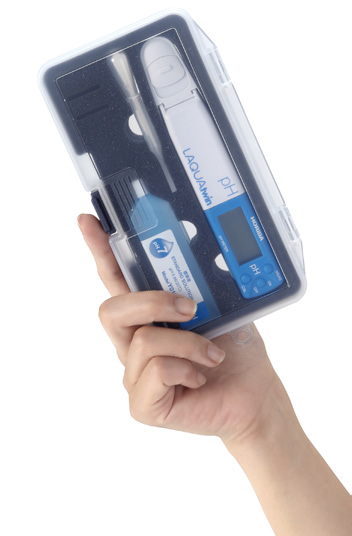
Carry case comes as standard for handy portability.
The compact carry case contains everything you need for your measurements, including the standard solution and sampling sheets.
Matching products

Mobile Sodium Ion Tester from Horiba with Temperature Measurement – precise and robust High-precision sodium ion tester with 2-point calibration – ideal for water and environmental analysis The Horiba LAQUAtwin Na-11 sodium ion tester was specifically designed for accurate measurement of sodium concentrations in a wide range of samples. The device enables direct on-site measurements. Its clear display shows both the Na⁺ concentration and the sample temperature in a single step, making field, laboratory, and greenhouse work significantly more efficient. Mobile sodium ion tester for precise on-site measurements Featuring 2-point calibration and automatic standard recognition (150 and 2000 ppm), the instrument can be easily adapted to different measurement requirements. The integrated temperature display and automatic temperature compensation ensure accurate results even under fluctuating environmental conditions. The robust IP67 housing is dustproof and waterproof, making the tester suitable for demanding daily use. With a battery life of approximately 400 hours, reliable long-term operation is ensured. The tester is supplied with standard solutions, sampling sheets, batteries, and matching pipettes for immediate use. Why sodium measurement matters – and why a handheld tester is the ideal solution Measuring sodium ions plays a crucial role in water, environmental, food, and agricultural analysis. Excessively high or low sodium concentrations can significantly affect water quality, soil structure, plant growth, and the quality of food products and drinking water. Regulatory limits and quality standards further require regular monitoring. A mobile sodium ion handheld tester enables fast and precise analysis directly at the point of use, without time-consuming sampling or laboratory analysis. The Horiba LAQUAtwin Na-11 combines this flexibility with high measurement accuracy and ease of use, making it ideal for routine monitoring, quality control, and research applications. Typical applications for the Horiba sodium ion tester Environmental monitoring: Measurement of sodium concentrations in surface and groundwater to assess water quality and ensure compliance with environmental standards. Food and beverage production: Testing sodium levels in food and beverages for quality assurance, product development, and regulatory compliance. Agriculture: Monitoring sodium content in irrigation water and soils to support plant health and optimize water management. Research & development: Use in laboratories for experimental studies on sodium ion behavior under varying conditions. Education: Utilized in schools and universities to demonstrate the use of ion-selective electrodes in analytical chemistry. Additional information We would like to inform you of an upcoming product update for the LAQUAtwin handheld analysers. To enhance product safety and prevent infants and young children from accidentally swallowing the batteries, HORIBA will be introducing a new battery cover on all LAQUAtwin pocket-sized analysers. Overview of the product change Change: Battery cover for enhanced safety. Reason: To prevent accidental swallowing of batteries. Production date: From January 2026 in Japan Deliveries to EMEA distribution partners: From March 2026 As this change is currently being rolled out, mixed deliveries of the current and updated versions may occur during the transition period. Frequently asked questions How long is the warranty period for HORIBA pocket testers? The warranty period is two years from delivery for commercial customers. How many measurements can be taken before the sensor needs to be replaced? This varies depending on the application, use and storage of the Horiba tester. As a rule, the sensor should be replaced after one year. How long is the warranty period for replacement sensors for pocket testers? The warranty period is 12 months after delivery for commercial customers. How do you clean the pocket tester? The pocket tester can be rinsed under water. We recommend cleaning with DI water (deionised). Tissue paper is recommended for drying after cleaning. How can the pocket tester be reset to factory settings? (e.g. in the event of an incorrect measurement result) This information can be found in the operating instructions. These can be found in the download area of the shop and on the product. Is calibration necessary before each measurement? Basically, yes. Further information can be found in the operating instructions.
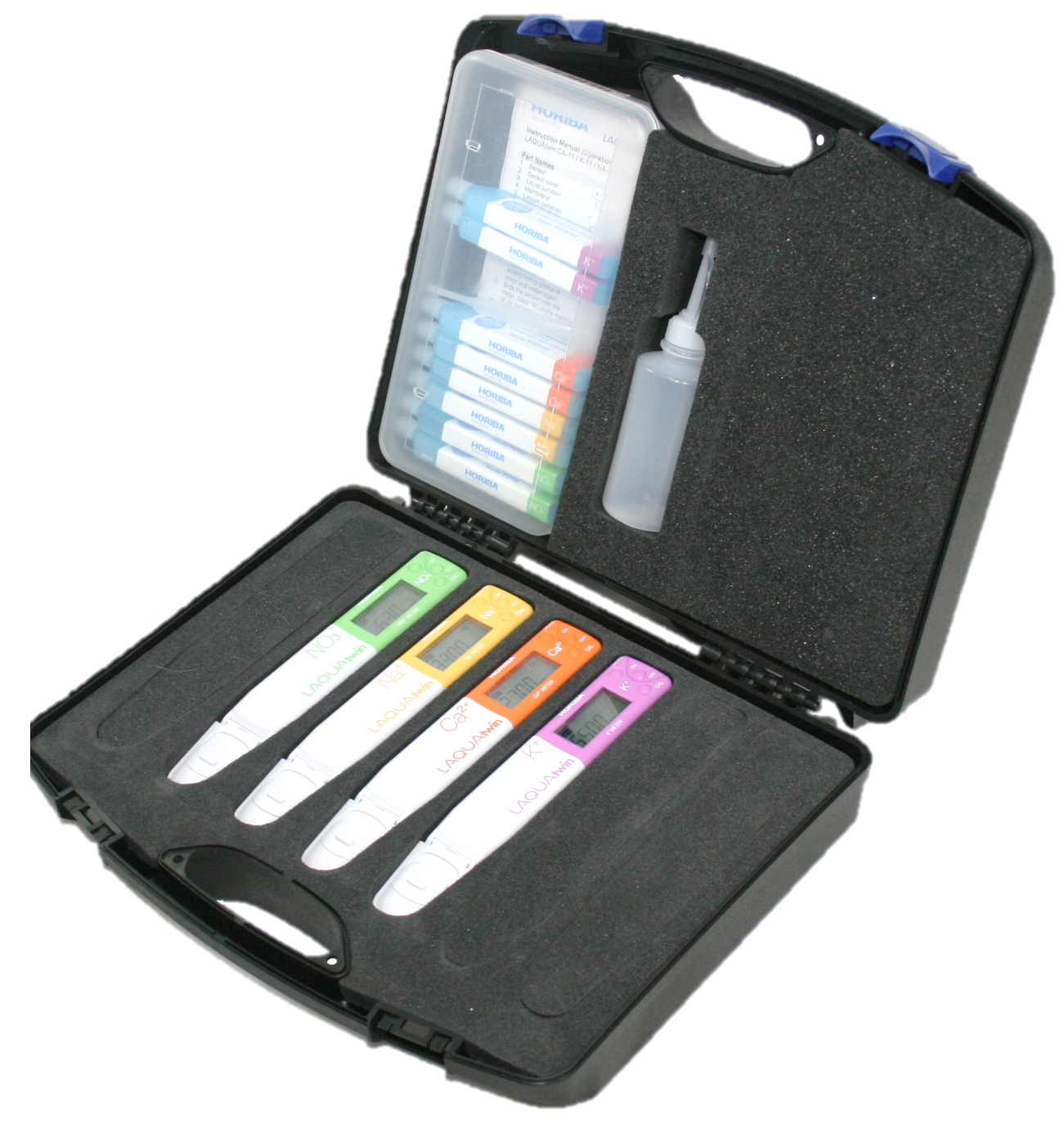
Mobile Analysis Laboratory for Ion Measurements – Versatile Use Compact kit for simultaneous determination of multiple water and environmental parameters The Horiba 4M LAQUAtwin Kit is a mobile laboratory that allows you to determine important ion parameters directly on-site. The case contains pocket testers for measuring sodium, potassium, nitrate, and calcium, as well as for temperature measurement. Each device uses ion-selective electrodes for targeted analysis of small samples and provides fast, reliable results. In addition to the four measurement devices, the kit includes calibration solutions and a wash/spray bottle for sensor cleaning. The sensors can be stored dry without special storage solutions. Compact Multi-Parameter Kit for Flexible On-Site Analyses The set is designed for measurement tasks where multiple ions need to be detected simultaneously, for example when monitoring drinking and process water, performing environmental checks of water bodies, conducting aquaculture analyses, or agricultural research. Thanks to the case, all essential testers including accessories are always on hand and ready for immediate use. The measurement results are available in a short time and are reliable and reproducible – ideal for routine and control measurements in the field. All components are neatly arranged in the case and ready for use at any time. An additional advantage is that the sensors can be stored dry without special storage solutions. Due to its compact design, the kit is particularly suitable for mobile applications where multiple ion parameters need to be determined quickly one after the other or in parallel. Why Multi-Parameter Ion Measurements Are Useful – and a Mobile Kit Is Ideal In many applications, not just a single measurement is important, but the interaction of multiple ion parameters. Sodium, potassium, nitrate, and calcium together influence water quality, biological processes, plant growth, and technical operations. Single measurements in a laboratory are often time-consuming and inflexible. A mobile analysis kit allows simultaneous detection of multiple parameters directly on-site. This allows relationships to be recognized more quickly, decisions to be made more reliably, and measurement campaigns to be carried out more efficiently. The Horiba 4M LAQUAtwin Kit combines these advantages in a compact, user-friendly system. Additional information We would like to inform you of an upcoming product update for the LAQUAtwin handheld analysers. To enhance product safety and prevent infants and young children from accidentally swallowing the batteries, HORIBA will be introducing a new battery cover on all LAQUAtwin pocket-sized analysers. Overview of the product change Change: Battery cover for enhanced safety. Reason: To prevent accidental swallowing of batteries. Production date: From January 2026 in Japan Deliveries to EMEA distribution partners: From March 2026 As this change is currently being rolled out, mixed deliveries of the current and updated versions may occur during the transition period. Frequently asked questions How long is the warranty period for HORIBA pocket testers? The warranty period is two years from delivery for commercial customers. How many measurements can be taken before the sensor needs to be replaced? This varies depending on the application, use and storage of the Horiba tester. As a rule, the sensor should be replaced after one year. How long is the warranty period for replacement sensors for pocket testers? The warranty period is 12 months after delivery for commercial customers. How do you clean the pocket tester? The pocket tester can be rinsed under water. We recommend cleaning with DI water (deionised). Tissue paper is recommended for drying after cleaning. How can the pocket tester be reset to factory settings? (e.g. in the event of an incorrect measurement result) This information can be found in the operating instructions. These can be found in the download area of the shop and on the product. Is calibration necessary before each measurement? Basically, yes. Further information can be found in the operating instructions.