
Rapid In-Field Determination of Nitrogen in Onions
Fresh root sap analysis with LAQUAtwin nitrate ion meter offers cost-effective, rapid and easy solution to determine nitrogen status in onion plants. The nitrate-nitrogen (NO3-N) concentrations in onion vary at different growth stages. The acceptable root sap NO3-N concentration range for 0.5 to 1.5-inch onion bulbs is 350 to 500 ppm.


Introduction
Nitrogen is a nutrient taken up by plants in the form of ammonium and nitrate ions for their green leafy growth. When ammonium fertilizers are applied to plants, the ammonium is converted to nitrate by nitrification process. Also, organic matter broken down in soil is transformed into ammonium first and then eventually into nitrate. These circumstances result in more nitrate in soils. Thus nitrogen tests measure nitrate rather than ammonium.
Plant tissue such as leaf and petiole contain high levels of nitrate, which has been shown over many years to be a good indication of the nitrogen status of the plant. Testing laboratories analysing for nitrogen content of dry plant tissue usually require ample time for collecting, transporting, drying, grinding and analysis. They deliver results after several days. With modern technology, quick tests for determining the nitrogen content in plant tissue like handheld nitrate meters with ion selective electrode, chlorophyll meter, and nitrate test strips have been developed.
As a general rule for nitrate testing, twenty petioles of most recently fully expanded mature leaves from different plants in a field are required for a representative sample. However, with onions, roots are used to determine nitrate levels.1
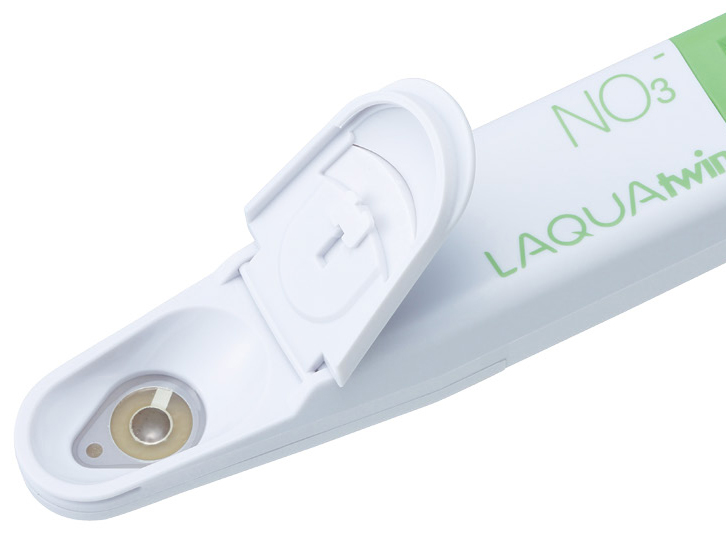
The LAQUAtwin nitrate ion meter provides the easiest way to measure nitrate concentration in fresh plant sap. The sensor requires only few drops of sap, which can be quickly extracted using a garlic press. The meter analyses the sap in just few seconds and displays reading expressed as either nitrate (NO3-) or nitrate-nitrogen (NO3-N) ppm units. Results can be obtained immediately in the field with much less effort and relatively low cost. These advantages over conventional laboratory testing are useful for onion growers in determining fertilization applications.
Method
Select mg/L or ppm NO3-N in the LAQUAtwin nitrate ion meter set-up. Calibrate the meter according to manufacturer’s instructions using the 150ppm and 2000ppm nitrate standards included in the kit. The readings of
150ppm and 2000ppm nitrate standards will be calibrated as 34 ppm and 450 ppm NO3-N, respectively.
Sample Collection And Preparation
- Collect root samples from 20-30 representative onion plants in the field. Use a small spade or other lifting tool to remove the plants.
- Cut the roots from the bulbs and wash with distilled or deionized water to remove soil.
- Blot the roots dry with a paper towel and mix them thoroughly.
- Load a random sample of roots in a garlic press and squeeze the sap.
- Place drops of sap onto the flat sensor until it is fully covered. Record the reading once it is stable.
- After each use, rinse the sensor with distilled or deionized water and blot dry with soft tissue.
- Repeat the procedure two or three times with the remaining sample if possible. Calculate the average of the readings of the samples.
It is best not to take readings in areas of direct sunlight or high temperatures. Collect samples and bring them indoor for analysis. Allow the samples and standards to reach same temperature before proceeding with the analysis.
Results and Benefits
Onion roots display the greatest response to available nitrogen supply of any plant part.2 They are used in analysis because of the stable nitrate concentrations in the root xylem. The LAQUAtwin nitrate ion meter has been successfully used in determining nitrate-nitrogen (NO3-N) in onions and readings have been found correlated with lab results.3
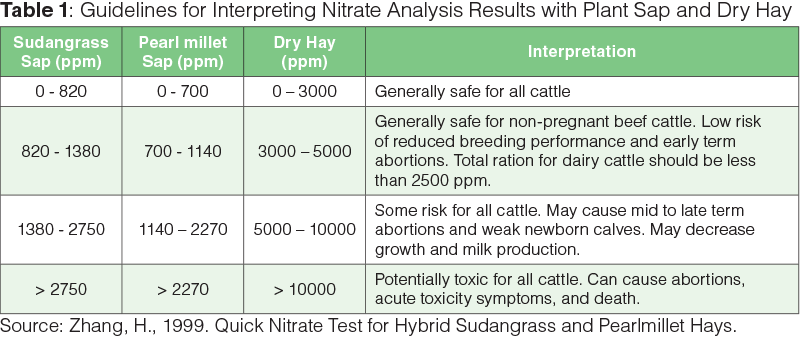
When sampling, it is important to note the onion growth stage so you can determine the correct sufficiency guideline to apply with your analysis results. Sufficiency guidelines are generally expressed as nitrate-nitrogen (NO3-N) values. The NO3-N refers to the nitrogen portion of the nitrate molecule. The table below provides the general guidelines for acceptable root sap nitrate concentrations at various stages of onion plant growth.4 Notice that the nitrate concentrations decline as the plant matures. For 0.5 to 1.5-inch onion bulbs, the acceptable root sap NO3-N concentration range is 350 to 500 ppm.1 You may use the table in interpreting the LAQUAtwin nitrate ion meter results. Record the initial analysis results and use them to compare future results.
References and Suggested Readings
- Hartz, T., Jackson L., Schulbach, K., and Smith, R. Guide to Nitrogen Quick-Tests for Vegetables with the Cardy Nitrate Meter. Retrieved from https://www.cdfa.ca.gov/is/docs/Schulbach95.pdf
- Sullivan, D.M., Shock, C.C., Horneck, D.A., Stevens, R.G., Pelter, G.Q. and Feibert, E.B.G. (2001). Nutrient Management for Onions in the Pacific Northwest. PNW 546. Retrieved from https://catalog.extension.oregonstate.edu/sites/catalog/files/project/pdf/pnw546.pdf
- McDonald, M.R., McKeown, A.W., Scott-Dupree, C.D., and Westerveld, S.M. Assessment of Chlorophyll and Nitrate Meters as Nitrogen Tests for Cabbage, Onions, and Carrots. HorTechnology, April-June 2004, pp 179-188. Retrieved from http://horttech.ashspublications.org/content/14/2/179.full.pdf+html
- Petiole Sap Nitrate Guidelines. Michigan State University Extension. Retrieved from http://msue.anr.msu.edu/news/petiole_sap_nitrate_guidelines
- Bevacqua, R. and Cardenas, T. (2002). Nitrogen Monitoring Techniques for Vegetable Crops. Circular 579. College of Agriculture and Home Economics New Mexico State University. Retrieved from http://aces.nmsu.edu/pubs/_circulars/CR579.pdf
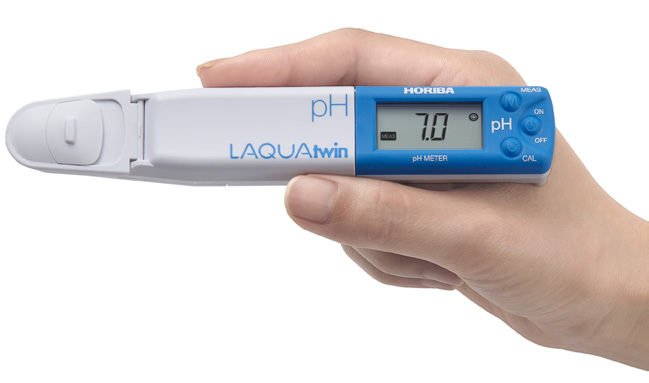
LAQUAtwin: the only meters with flat sensor technology.
HORIBA’s highly-sensitive, flat sensor technology opens up new possibilities for sampling and sample types. Only a small amount of sample is required, so you can easily sample in situ without the need for beakers or other labware. Sensors are easily replaced as required.
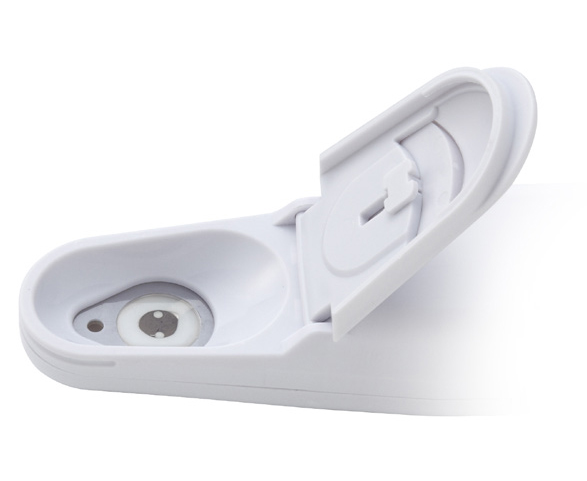
Calibrate and measure at the touch of a button — the smiley face will tell you when the result can be read.
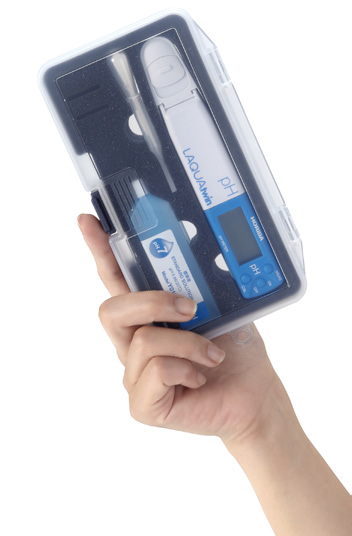
LAQUAtwin is fully waterproof and dustproof.
The meter and sensor are fully waterproof* and dustproof, so you can take it anywhere.
* IP67 rated. Will withstand immersion for 30 minutes at 1 m. Not suitable for underwater use.
Carry case comes as standard for handy portability.
The compact carry case contains everything you need for your measurements, including the standard solution and sampling sheets.
Matching products

Horiba LAQUAtwin Nitrate Ion Tester NO3-11 for Precise On-Site Measurements Handheld tester with 2-point calibration, ideal for water and environmental measurements The Horiba LAQUAtwin Nitrate Ion Tester (NO3-11) is a portable device for direct determination of nitrate ions (NO3) and temperature in liquids and samples. Thanks to the ion-selective electrode and compact design, the tester delivers fast and reliable results. The integrated temperature unit enables temperature-compensated analysis and clearly displays both nitrate and temperature values on the digital LCD display. Mobile Nitrate Ion Tester for Precise On-Site Analyses The integrated temperature measurement enables temperature-compensated analysis and shows both nitrate and temperature values. Only very small sample volumes are required, minimizing sample consumption and increasing efficiency in daily use. The tester can be set up with up to two calibration points, with features such as automatic standard recognition, adjustable calibration values, and multiplication compensation for flexibility. Only minimal sample volumes are needed for each analysis, reducing sample usage and improving efficiency. Why Nitrate Measurement Is Crucial – and a Pocket Tester from Horiba Is Ideal Nitrate measurement plays a central role in agriculture, water management, and environmental monitoring. Elevated nitrate concentrations can affect drinking water quality, stress ecosystems, and contribute to over-fertilization. At the same time, nitrate is an essential nutrient for plants, and targeted control is vital for sustainable agriculture. A mobile nitrate pocket tester enables rapid on-site analysis without time-consuming laboratory tests. This allows early detection of contamination, immediate action, and reliable monitoring of legal limits. The Horiba LAQUAtwin NO3-11 combines this flexibility with high measurement accuracy and easy operation – ideal for routine checks and scientific applications. The tester can be configured with up to two calibration points. Features like automatic standard recognition, adjustable calibration values, and multiplication compensation provide high adaptability to different sample types and measurement conditions. Typical Applications of the Horiba LAQUAtwin Nitrate Ion Tester (NO3-11) Agriculture: To optimize fertilizer use, promote plant growth, and minimize environmental impact, farmers and agronomists use the tester to monitor nitrate levels in soils and irrigation water. Water Quality Management: To maintain nitrate concentrations within safe limits, the NO3-11 is used in water management to check drinking and wastewater quality. Environmental Monitoring: The NO3-11 allows environmental technicians and scientists to quickly analyze nitrate contamination in rivers, lakes, and groundwater, ensuring compliance with environmental standards and identifying pollution sources. Research and Development: The tester is used by scientists in environmental science, hydrology, and soil science to conduct detailed studies of the nitrogen cycle and the effects of nitrates on ecosystems. Frequently asked questions How long is the warranty period for HORIBA pocket testers? The warranty period is two years from delivery for commercial customers. How many measurements can be taken before the sensor needs to be replaced? This varies depending on the application, use and storage of the Horiba tester. As a rule, the sensor should be replaced after one year. How long is the warranty period for replacement sensors for pocket testers? The warranty period is 12 months after delivery for commercial customers. How do you clean the pocket tester? The pocket tester can be rinsed under water. We recommend cleaning with DI water (deionised). Tissue paper is recommended for drying after cleaning. How can the pocket tester be reset to factory settings? (e.g. in the event of an incorrect measurement result) This information can be found in the operating instructions. These can be found in the download area of the shop and on the product. Is calibration necessary before each measurement? Basically, yes. Further information can be found in the operating instructions.
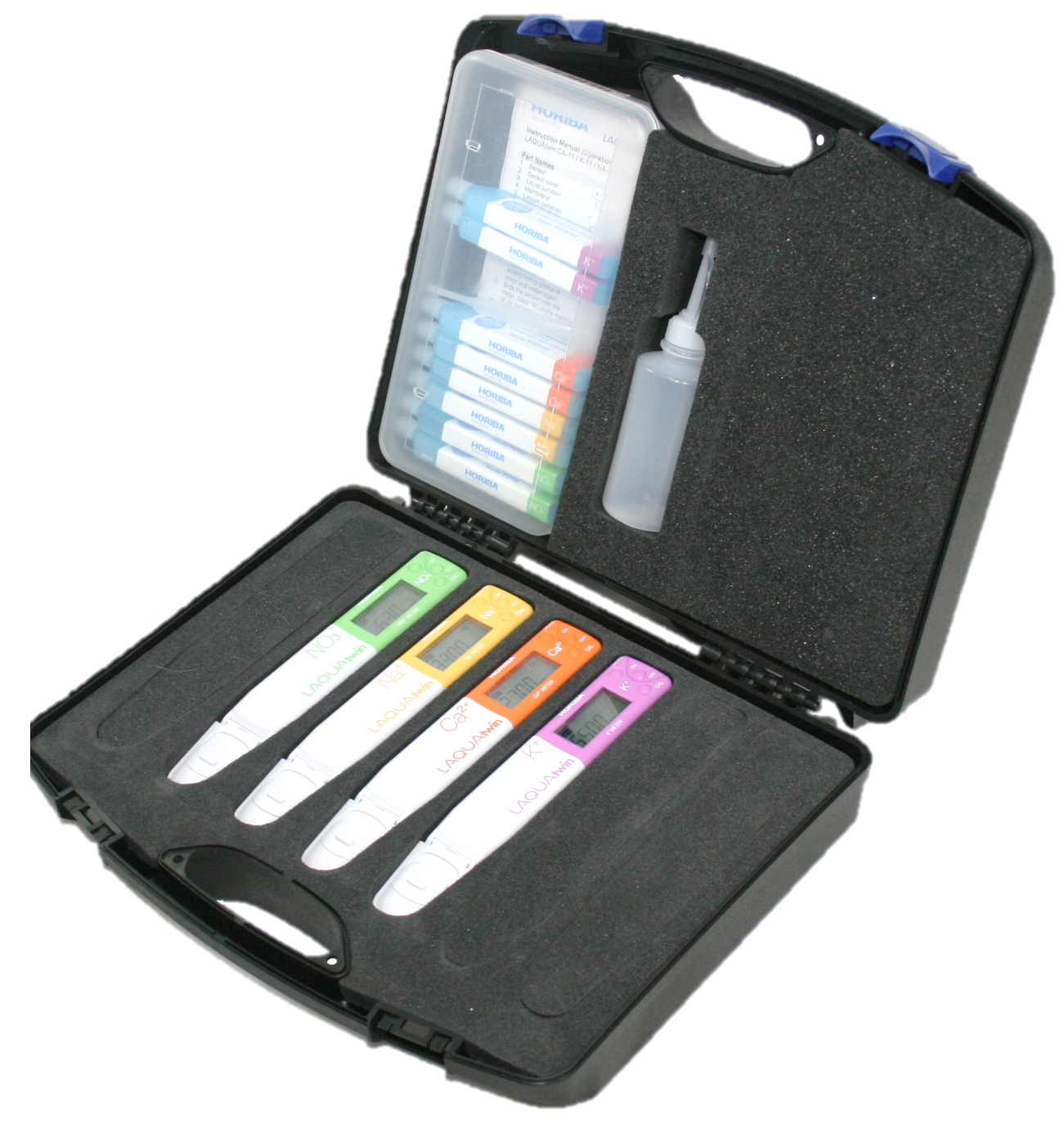
Mobile Analysis Laboratory for Ion Measurements – Versatile Use Compact kit for simultaneous determination of multiple water and environmental parameters The Horiba 4M LAQUAtwin Kit is a mobile laboratory that allows you to determine important ion parameters directly on-site. The case contains pocket testers for measuring sodium, potassium, nitrate, and calcium, as well as for temperature measurement. Each device uses ion-selective electrodes for targeted analysis of small samples and provides fast, reliable results. In addition to the four measurement devices, the kit includes calibration solutions and a wash/spray bottle for sensor cleaning. The sensors can be stored dry without special storage solutions. Compact Multi-Parameter Kit for Flexible On-Site Analyses The set is designed for measurement tasks where multiple ions need to be detected simultaneously, for example when monitoring drinking and process water, performing environmental checks of water bodies, conducting aquaculture analyses, or agricultural research. Thanks to the case, all essential testers including accessories are always on hand and ready for immediate use. The measurement results are available in a short time and are reliable and reproducible – ideal for routine and control measurements in the field. All components are neatly arranged in the case and ready for use at any time. An additional advantage is that the sensors can be stored dry without special storage solutions. Due to its compact design, the kit is particularly suitable for mobile applications where multiple ion parameters need to be determined quickly one after the other or in parallel. Why Multi-Parameter Ion Measurements Are Useful – and a Mobile Kit Is Ideal In many applications, not just a single measurement is important, but the interaction of multiple ion parameters. Sodium, potassium, nitrate, and calcium together influence water quality, biological processes, plant growth, and technical operations. Single measurements in a laboratory are often time-consuming and inflexible. A mobile analysis kit allows simultaneous detection of multiple parameters directly on-site. This allows relationships to be recognized more quickly, decisions to be made more reliably, and measurement campaigns to be carried out more efficiently. The Horiba 4M LAQUAtwin Kit combines these advantages in a compact, user-friendly system. Frequently asked questions How long is the warranty period for HORIBA pocket testers? The warranty period is two years from delivery for commercial customers. How many measurements can be taken before the sensor needs to be replaced? This varies depending on the application, use and storage of the Horiba tester. As a rule, the sensor should be replaced after one year. How long is the warranty period for replacement sensors for pocket testers? The warranty period is 12 months after delivery for commercial customers. How do you clean the pocket tester? The pocket tester can be rinsed under water. We recommend cleaning with DI water (deionised). Tissue paper is recommended for drying after cleaning. How can the pocket tester be reset to factory settings? (e.g. in the event of an incorrect measurement result) This information can be found in the operating instructions. These can be found in the download area of the shop and on the product. Is calibration necessary before each measurement? Basically, yes. Further information can be found in the operating instructions.
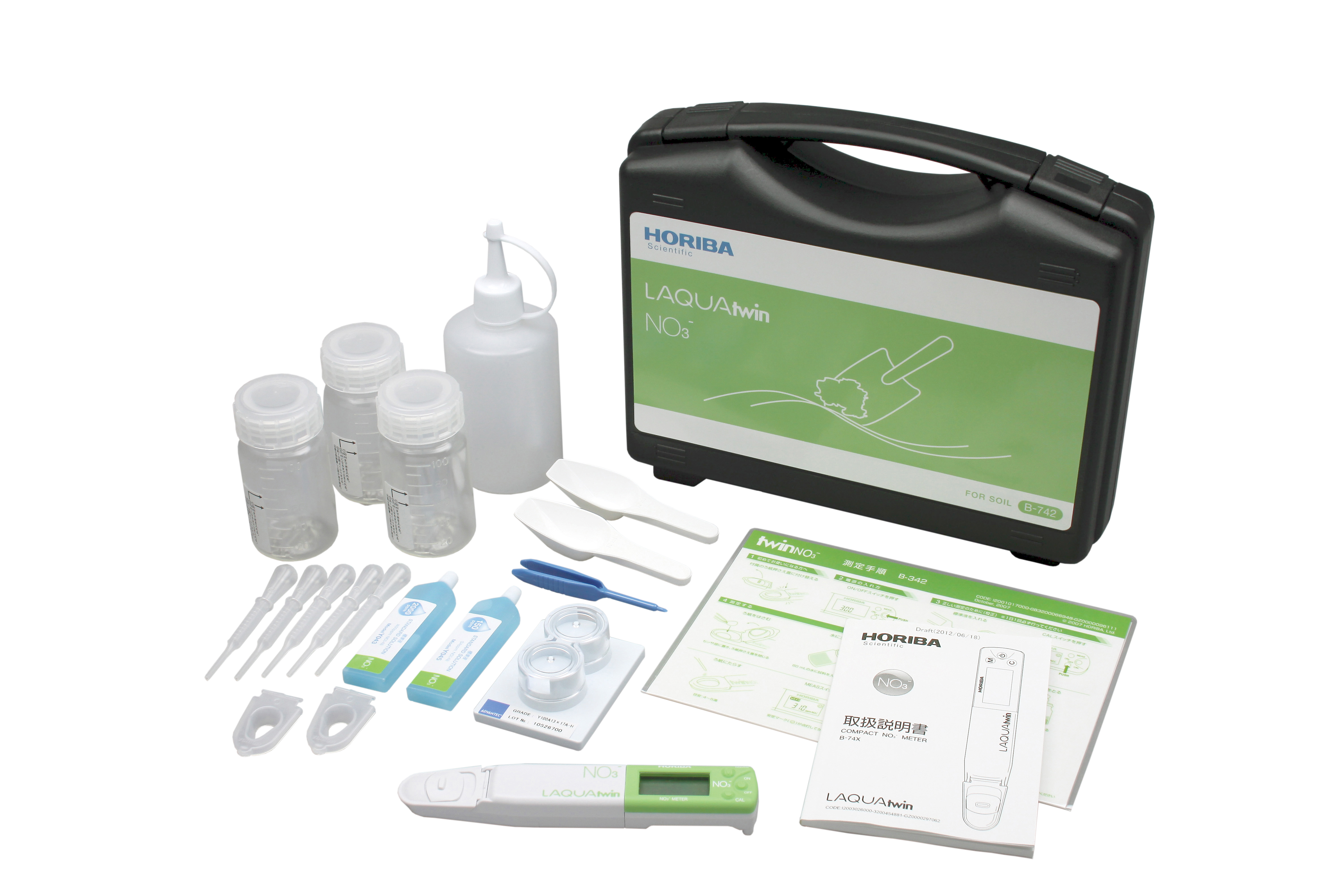
The LAQUAtwin Nitrate Ion Handheld Tester (NO3-11C) included in the analysis kit is pre-set by the factory to the relevant calibration points 30PPM and 300PPM for soil analysis. Manufacturer Part No. 3200689164 | B-742

Precise Nitrate Tester for Plants – Mobile NO₃⁻ Analysis On-Site Horiba Nitrate Ion Pocket Tester Kit for fast and accurate on-site results The Horiba LAQUAtwin Nitrate Ion Hand Tester (NO3-11C) in its practical analysis kit is your mobile laboratory for reliable determination of nitrate ions and temperature in plant sap samples. With a wide measurement range of 6 to 9900 ppm NO₃⁻ and automatic temperature compensation, the device provides fast and accurate results. The ion-selective electrode ensures precise NO₃⁻ measurements, while the digital backlit display allows quick and easy reading of values. Mobile nitrate analysis kit for plants, water, and environmental monitoring The kit contains the handheld tester, five pipettes, three measuring cups, a plant sample press, standard solutions, and sampling sheets. This setup allows for rapid and reproducible analysis of plant sap without the need for additional laboratory equipment. The device is dust- and waterproof, features automatic standard recognition, Auto-Stabil and Auto-Hold functions, and has a long battery life, making it ideal for mobile use in the field, greenhouse, or laboratory. Why nitrate measurement in plants is important – and why a mobile kit is ideal Nitrate content in plants is a key indicator of nutrient supply, plant growth, and agricultural product quality. Excessively high or low nitrate levels can negatively impact yield, plant quality, and environmental compatibility. A mobile nitrate hand tester allows direct analysis of plant sap on-site, without time-consuming laboratory procedures. Fertilization and irrigation measures can be precisely adjusted, and over- or under-supply can be detected early. The Horiba LAQUAtwin NO3-11C provides a precise, fast, and practical solution for this purpose. Typical applications for the Horiba Nitrate Analysis Kit Aquaculture and coral monitoring Aquaristics Horticulture Beverage and food production Laboratories and schools Environmental monitoring Water treatment Water conditioning Frequently asked questions How long is the warranty period for HORIBA pocket testers? The warranty period is two years from delivery for commercial customers. How many measurements can be taken before the sensor needs to be replaced? This varies depending on the application, use and storage of the Horiba tester. As a rule, the sensor should be replaced after one year. How long is the warranty period for replacement sensors for pocket testers? The warranty period is 12 months after delivery for commercial customers. How do you clean the pocket tester? The pocket tester can be rinsed under water. We recommend cleaning with DI water (deionised). Tissue paper is recommended for drying after cleaning. How can the pocket tester be reset to factory settings? (e.g. in the event of an incorrect measurement result) This information can be found in the operating instructions. These can be found in the download area of the shop and on the product. Is calibration necessary before each measurement? Basically, yes. Further information can be found in the operating instructions.