
Determination of Nutrient Concentrations in Soil Solution and Tomato Plant Sap
Fertigation management requires rapid and accurate methods to determine nutrient concentrations in soil solution and plant sap. Folegatti et al (2005) found that the concentrations of nitrate, potassium, and sodium ions in soil solution and tomato plant sap determined by LAQUAtwin ion pocket meters showed good correlations with those obtained in soil solution and in leaf dry matter, respectively, determined by standard methods in laboratory, and concluded that LAQUAtwin ion pocket meters are useful low-cost tools in fertigation management.
Introduction
Plants take nutrients from soil for their growth. Nutrient levels in soil and plant tissues give an indication of the nutrient requirements of crops. Folegatti et al. (2005) developed a study to evaluate the performance of Cardy ion meters on the determination of nitrate (NO₃⁻), potassium (K⁺), and sodium (Na⁺) ion concentrations in soil solution and tomato plant sap for fertigation management purposes.
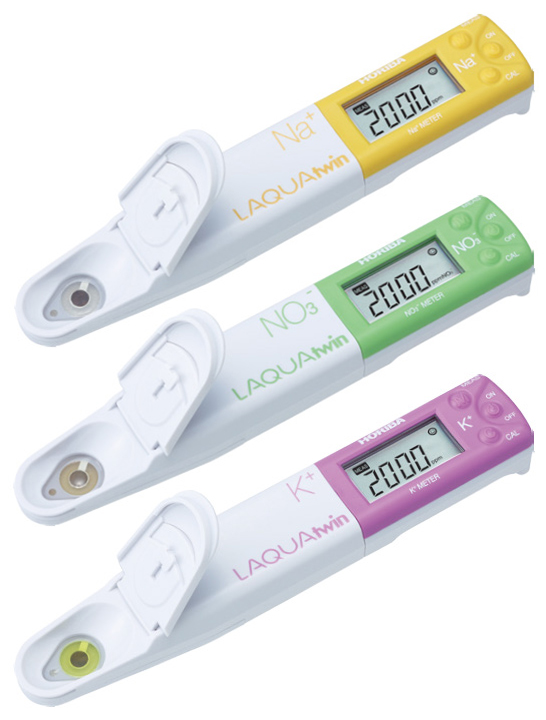
Although sodium ion (Na⁺) is not an important ion for tomatoes, its concentration in soil solution and plant sap provides valuable information when using saline irrigation water. Cardy ion meters were later superseded by LAQUAtwin B-700 series ion pocket meters, which feature replaceable sensors, upgraded software, and an enhanced user interface. The LAQUAtwin B-722, B-731, and B-743 ion pocket meters measure sodium ion (Na⁺), potassium ion (K⁺), and nitrate ion (NO₃⁻), respectively. Like their predecessors, the LAQUAtwin B-700 series ion pocket meters require only a few drops or micro-volume of sample and deliver results within seconds. These advantages enable users to analyze a large number of samples quickly, even in the field.
Method
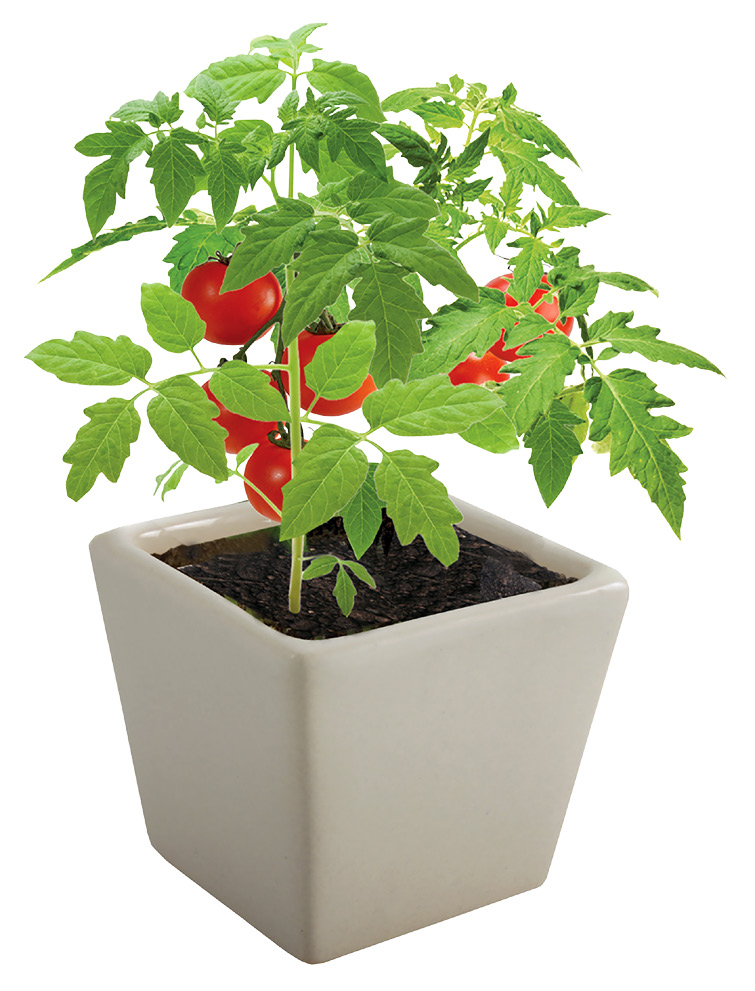
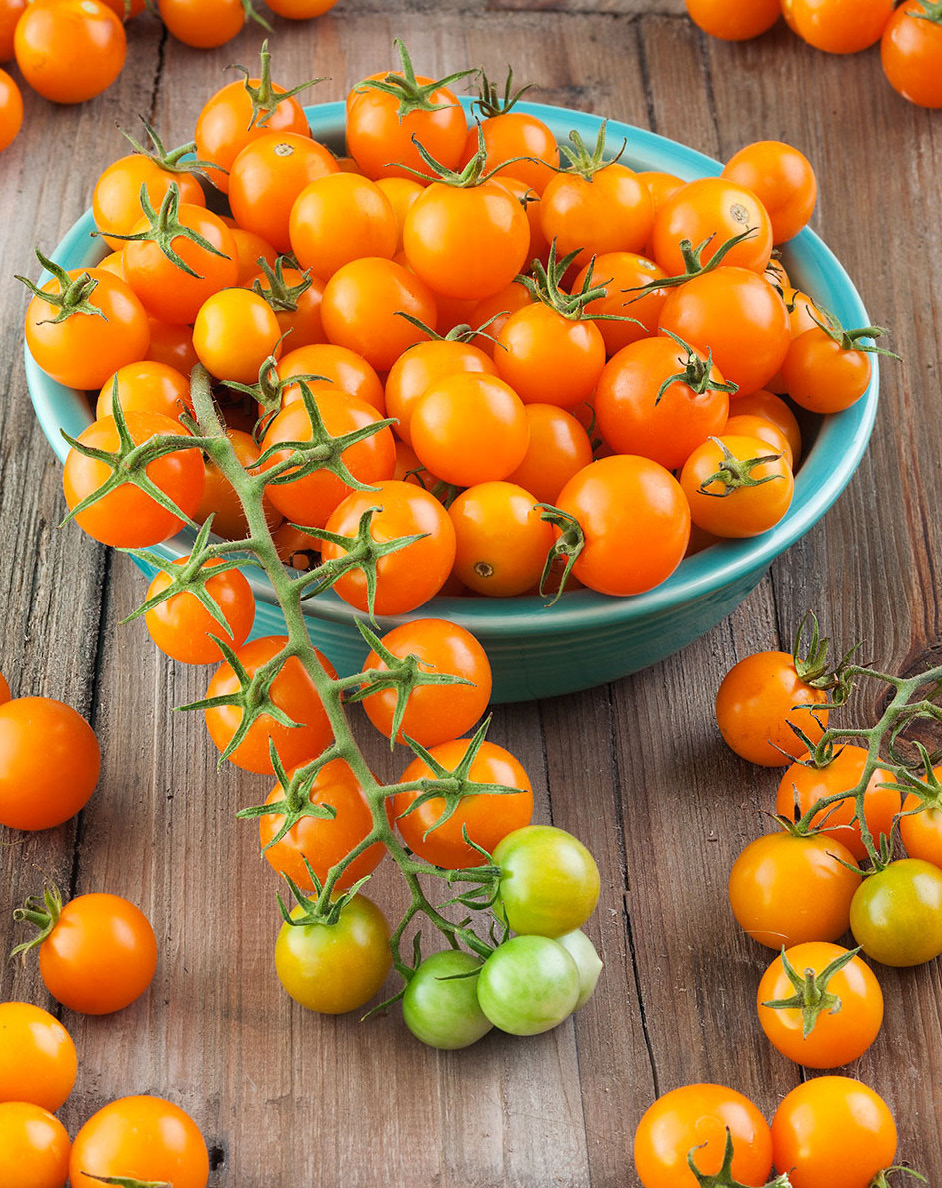
Tomato plants were cultivated in a greenhouse in Piracicaba, SP, Brazil, with different levels of nitrogen (N), potassium (K), and salinity in the irrigation water. Fertilizers and salts used included ammonium nitrate (NH₄NO₃), potassium chloride (KCl), calcium chloride (CaCl₂), and sodium chloride (NaCl), all applied via drip fertigation.
Soil solution samples were collected every 15 days (on average), starting 24 hours after irrigation. Samples were taken at a depth of 15 cm using suction with porous ceramic cups. Concentrations of nitrate (NO₃⁻), potassium (K⁺), and sodium (Na⁺) ions were determined using Cardy ion meters. These results were then compared with those obtained in the laboratory using standard methods—flame photometry for K⁺ and Na⁺ and steam-distillation for NO₃⁻.
Fifty samples of young, fully expanded leaves were also collected from different treatments. The base of the petioles was squeezed using a garlic press, and nutrients in the sap were measured using Cardy ion meters. Leaves were oven-dried at 60°C for 48 hours, and total N, K, and Na⁺ were determined in the laboratory using the method proposed by Malavolta et al. (1997). Nutrient concentrations in petiole sap were compared with those in the dry leaf matter.
Cardy ion pocket meters were calibrated with two standard solutions before use and after every 10 samples. To avoid contamination from carry-over, sensors were washed with distilled water between samples.
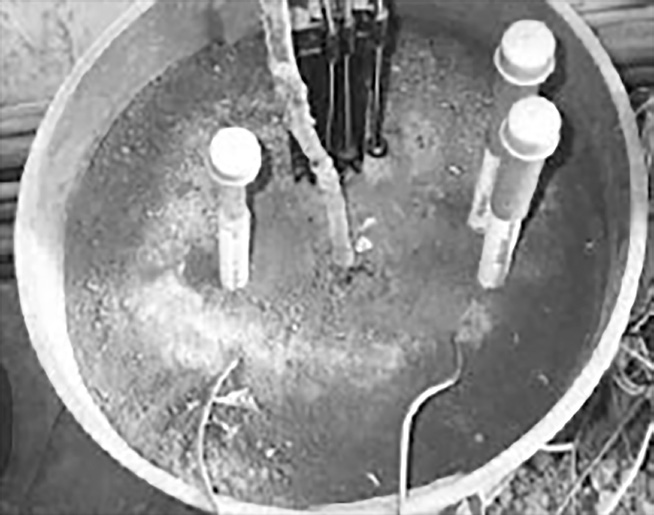
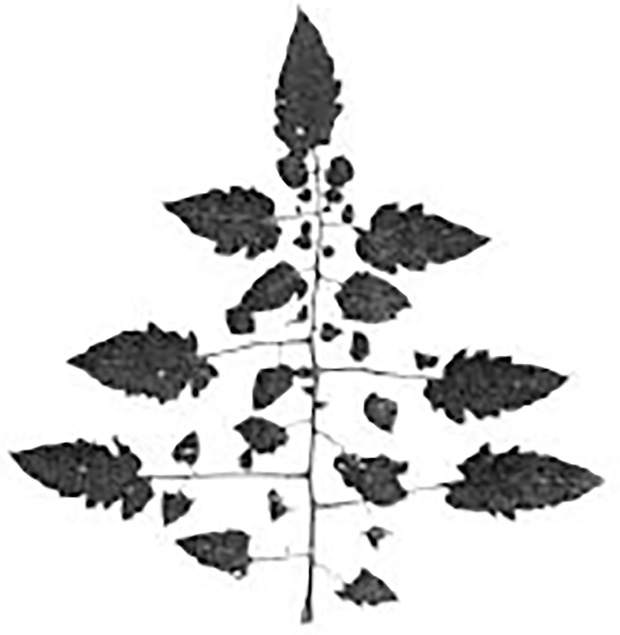
Figure 1A: Greenhouse experimental pot
Figure 1B: Base of petiole used for sap nutrient determination
Results and Benefits
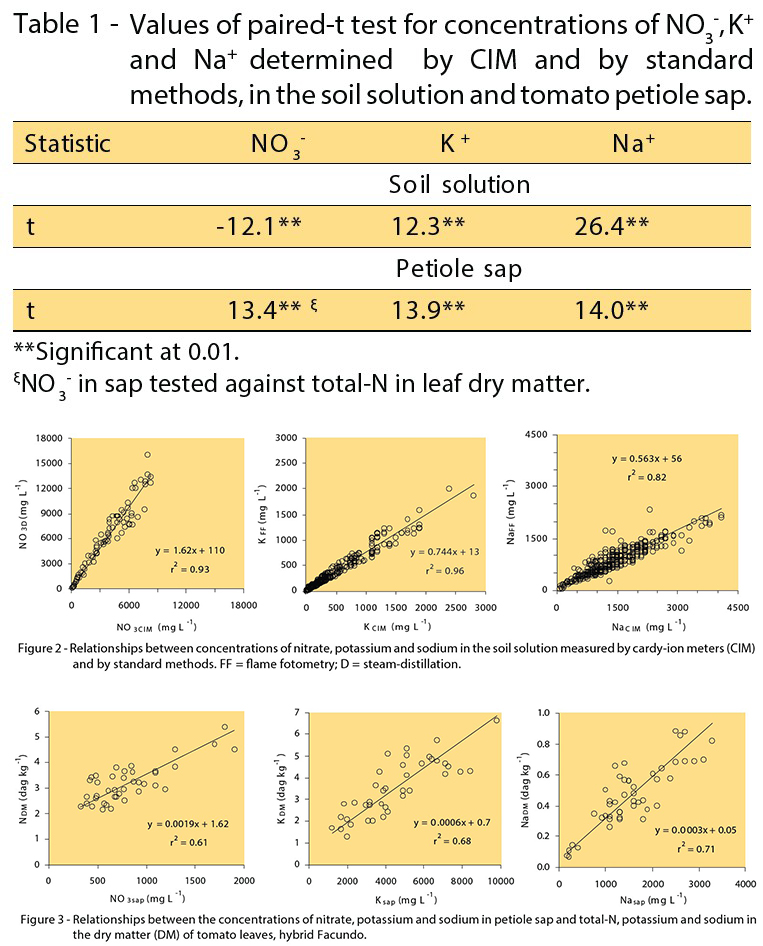
Concentrations of NO₃⁻, K⁺, and Na⁺ in soil solution determined by Cardy ion meters showed strong correlation with values obtained by standard laboratory methods (see Figure 2). NO₃⁻ concentrations measured by Cardy ion meters were about 39% lower than those determined by distillation, while K⁺ and Na⁺ concentrations were 21% and 67% higher, respectively, than those determined by flame photometry. The coefficients of determination (r²) were high for all ions, with significant relationships at the 1% level (Table 1).
Concentrations of NO₃⁻, K⁺, and Na⁺ in petiole sap measured by Cardy ion meters also correlated reasonably well with concentrations found in leaf dry matter. Relationships were statistically significant for all ions (Table 1). The r² values for nutrient concentrations in petiole sap and leaf dry matter were similar to those observed in other studies. No prior literature was found comparing Na⁺ concentrations in petiole sap and dry matter.
Discrepancies between Cardy ion meter readings and standard methods were likely due to interference from other ions present in the soil solution and plant sap. Nonetheless, Folegatti et al. (2005) concluded that Cardy ion meters—now replaced by LAQUAtwin ion pocket meters—are suitable for determining nutrient concentrations in soil solution and petiole sap, given their good correlation with standard methods.
References and Suggested Readings
-
Folegatti, M.V., Blanco, F.F., Boaretto, R.M., and Boaretto, A.E. (2005). Calibration of Cardy-ion meters to measure nutrient concentrations in soil solution and in plant sap. Sci. Agric. (Piracicaba, Braz.), 62(1), 8–11.
-
Malavolta, E., Vitti, G.C., Oliveira, S.A. (1997). Avaliação do estado nutricional das plantas: princípios e aplicações. 2nd ed. Piracicaba: POTAFOS, 201p.
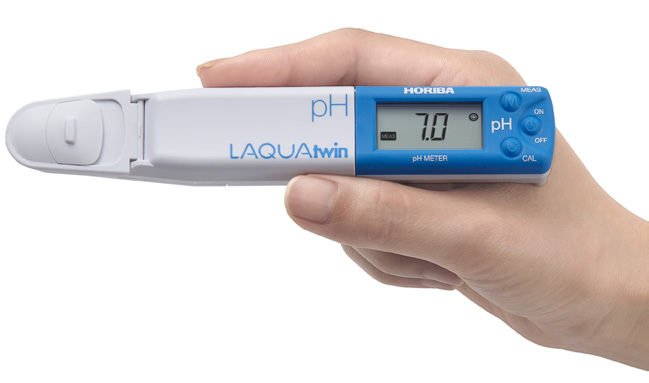
LAQUAtwin: the only meters with flat sensor technology.
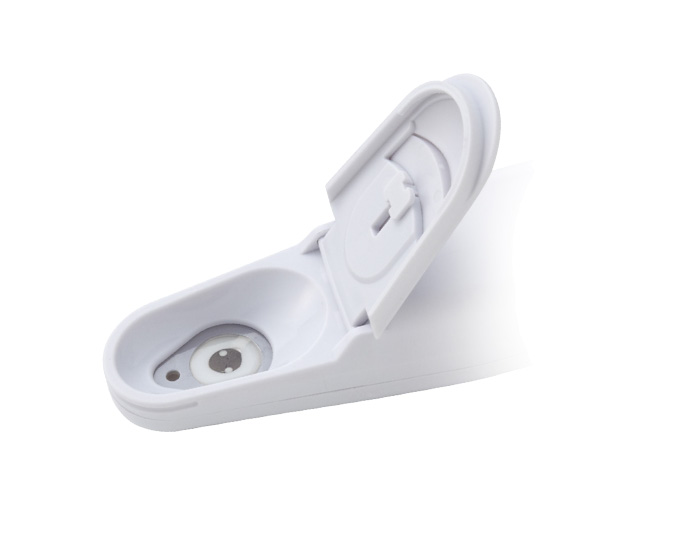
HORIBA’s highly-sensitive, flat sensor technology opens up new possibilities for sampling and sample types. Only a small amount of sample is required, so you can easily sample in situ without the need for beakers or other labware. Sensors are easily replaced as required.
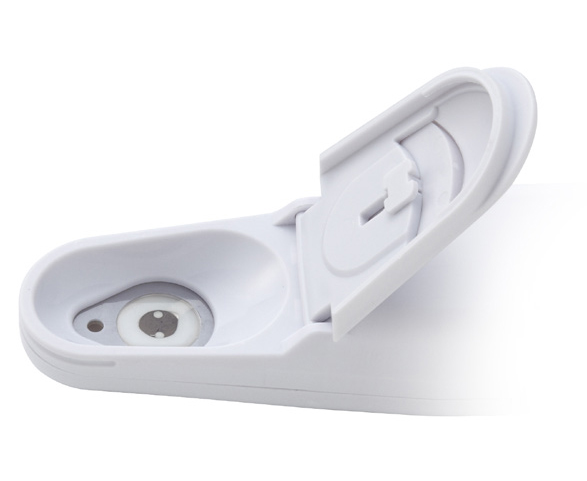
Calibrate and measure at the touch of a button — the smiley face will tell you when the result can be read.
LAQUAtwin is fully waterproof and dustproof.
The meter and sensor are fully waterproof* and dustproof, so you can take it anywhere.
* IP67 rated. Will withstand immersion for 30 minutes at 1 m. Not suitable for underwater use.
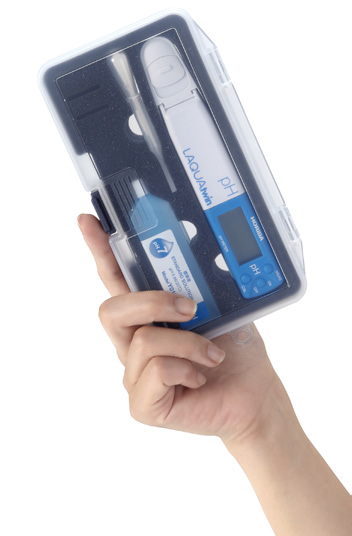
Carry case comes as standard for handy portability.
The compact carry case contains everything you need for your measurements, including the standard solution and sampling sheets.
Matching products

Horiba LAQUAtwin Nitrate Ion Tester NO3-11 for Precise On-Site Measurements Handheld tester with 2-point calibration, ideal for water and environmental measurements The Horiba LAQUAtwin Nitrate Ion Tester (NO3-11) is a portable device for direct determination of nitrate ions (NO3) and temperature in liquids and samples. Thanks to the ion-selective electrode and compact design, the tester delivers fast and reliable results. The integrated temperature unit enables temperature-compensated analysis and clearly displays both nitrate and temperature values on the digital LCD display. Mobile Nitrate Ion Tester for Precise On-Site Analyses The integrated temperature measurement enables temperature-compensated analysis and shows both nitrate and temperature values. Only very small sample volumes are required, minimizing sample consumption and increasing efficiency in daily use. The tester can be set up with up to two calibration points, with features such as automatic standard recognition, adjustable calibration values, and multiplication compensation for flexibility. Only minimal sample volumes are needed for each analysis, reducing sample usage and improving efficiency. Why Nitrate Measurement Is Crucial – and a Pocket Tester from Horiba Is Ideal Nitrate measurement plays a central role in agriculture, water management, and environmental monitoring. Elevated nitrate concentrations can affect drinking water quality, stress ecosystems, and contribute to over-fertilization. At the same time, nitrate is an essential nutrient for plants, and targeted control is vital for sustainable agriculture. A mobile nitrate pocket tester enables rapid on-site analysis without time-consuming laboratory tests. This allows early detection of contamination, immediate action, and reliable monitoring of legal limits. The Horiba LAQUAtwin NO3-11 combines this flexibility with high measurement accuracy and easy operation – ideal for routine checks and scientific applications. The tester can be configured with up to two calibration points. Features like automatic standard recognition, adjustable calibration values, and multiplication compensation provide high adaptability to different sample types and measurement conditions. Typical Applications of the Horiba LAQUAtwin Nitrate Ion Tester (NO3-11) Agriculture: To optimize fertilizer use, promote plant growth, and minimize environmental impact, farmers and agronomists use the tester to monitor nitrate levels in soils and irrigation water. Water Quality Management: To maintain nitrate concentrations within safe limits, the NO3-11 is used in water management to check drinking and wastewater quality. Environmental Monitoring: The NO3-11 allows environmental technicians and scientists to quickly analyze nitrate contamination in rivers, lakes, and groundwater, ensuring compliance with environmental standards and identifying pollution sources. Research and Development: The tester is used by scientists in environmental science, hydrology, and soil science to conduct detailed studies of the nitrogen cycle and the effects of nitrates on ecosystems. Frequently asked questions How long is the warranty period for HORIBA pocket testers? The warranty period is two years from delivery for commercial customers. How many measurements can be taken before the sensor needs to be replaced? This varies depending on the application, use and storage of the Horiba tester. As a rule, the sensor should be replaced after one year. How long is the warranty period for replacement sensors for pocket testers? The warranty period is 12 months after delivery for commercial customers. How do you clean the pocket tester? The pocket tester can be rinsed under water. We recommend cleaning with DI water (deionised). Tissue paper is recommended for drying after cleaning. How can the pocket tester be reset to factory settings? (e.g. in the event of an incorrect measurement result) This information can be found in the operating instructions. These can be found in the download area of the shop and on the product. Is calibration necessary before each measurement? Basically, yes. Further information can be found in the operating instructions.

Mobile Sodium Ion Tester from Horiba with Temperature Measurement – precise and robust High-precision sodium ion tester with 2-point calibration – ideal for water and environmental analysis The Horiba LAQUAtwin Na-11 sodium ion tester was specifically designed for accurate measurement of sodium concentrations in a wide range of samples. The device enables direct on-site measurements. Its clear display shows both the Na⁺ concentration and the sample temperature in a single step, making field, laboratory, and greenhouse work significantly more efficient. Mobile sodium ion tester for precise on-site measurements Featuring 2-point calibration and automatic standard recognition (150 and 2000 ppm), the instrument can be easily adapted to different measurement requirements. The integrated temperature display and automatic temperature compensation ensure accurate results even under fluctuating environmental conditions. The robust IP67 housing is dustproof and waterproof, making the tester suitable for demanding daily use. With a battery life of approximately 400 hours, reliable long-term operation is ensured. The tester is supplied with standard solutions, sampling sheets, batteries, and matching pipettes for immediate use. Why sodium measurement matters – and why a handheld tester is the ideal solution Measuring sodium ions plays a crucial role in water, environmental, food, and agricultural analysis. Excessively high or low sodium concentrations can significantly affect water quality, soil structure, plant growth, and the quality of food products and drinking water. Regulatory limits and quality standards further require regular monitoring. A mobile sodium ion handheld tester enables fast and precise analysis directly at the point of use, without time-consuming sampling or laboratory analysis. The Horiba LAQUAtwin Na-11 combines this flexibility with high measurement accuracy and ease of use, making it ideal for routine monitoring, quality control, and research applications. Typical applications for the Horiba sodium ion tester Environmental monitoring: Measurement of sodium concentrations in surface and groundwater to assess water quality and ensure compliance with environmental standards. Food and beverage production: Testing sodium levels in food and beverages for quality assurance, product development, and regulatory compliance. Agriculture: Monitoring sodium content in irrigation water and soils to support plant health and optimize water management. Research & development: Use in laboratories for experimental studies on sodium ion behavior under varying conditions. Education: Utilized in schools and universities to demonstrate the use of ion-selective electrodes in analytical chemistry. Frequently asked questions How long is the warranty period for HORIBA pocket testers? The warranty period is two years from delivery for commercial customers. How many measurements can be taken before the sensor needs to be replaced? This varies depending on the application, use and storage of the Horiba tester. As a rule, the sensor should be replaced after one year. How long is the warranty period for replacement sensors for pocket testers? The warranty period is 12 months after delivery for commercial customers. How do you clean the pocket tester? The pocket tester can be rinsed under water. We recommend cleaning with DI water (deionised). Tissue paper is recommended for drying after cleaning. How can the pocket tester be reset to factory settings? (e.g. in the event of an incorrect measurement result) This information can be found in the operating instructions. These can be found in the download area of the shop and on the product. Is calibration necessary before each measurement? Basically, yes. Further information can be found in the operating instructions.

Precise Potassium Ion Measurement on the Go – Mobile, Reliable, and Easy Precise potassium ion measurement with 2-point calibration and integrated temperature display The Horiba K-11 Potassium Pocket Tester was designed to determine potassium in a wide variety of samples with high precision. Thanks to the ion-selective electrode and the digital LCD screen with backlight, the tester is perfect for mobile water quality and environmental analyses. The minimal sample volume of only 0.3 ml (0.05 ml with sampling sheet) ensures reliable results even with small sample sizes. With its 2-point calibration and automatic standard recognition, the device can be flexibly adapted to different measurement conditions. The IP67 rating for dust and water protection, along with a long battery life of up to approximately 400 hours, makes the tester highly reliable for mobile use. Technical Features for Reproducible Potassium Measurements The potassium tester covers a wide measurement range from 4 to 9,900 ppm (mg/L) and additionally displays temperatures up to 50 °C with a resolution of 0.1 °C. The integrated temperature compensation ensures stable results even under changing environmental conditions. Automatic standard recognition, adjustable calibration values, and multiplication compensation guarantee high reproducibility across different sample types. This makes the K-11 suitable for both routine and demanding analytical tasks. Why Potassium Measurement Is Important – Ideal with the Horiba K-11 Hand Tester Potassium is an essential parameter in water, environmental, agricultural, and food analysis. In water bodies, potassium content affects water quality, in soils it is a key nutrient for healthy plant growth, and in food it plays an important role for nutrition and labeling requirements. A mobile potassium hand tester enables rapid on-site analysis without time-consuming laboratory testing. Changes can be detected immediately, and decisions can be made right away. The Horiba K-11 combines this flexibility with high measurement accuracy and ease of use – ideal for fieldwork, routine checks, and scientific studies. Where Can It Be Used? Environmental Monitoring: The K-11 is a fast and precise measurement tool for environmental technicians and scientists monitoring potassium concentrations in water bodies to ensure water quality and identify contamination sources. Agriculture: The K-11 allows farmers and agronomists to measure potassium in soil. This is crucial for fertilizer application and improving plant growth. Easy evaluation of soil extracts enables precise nutrient requirement determination. Food Industry: The tester is used by quality assurance personnel to check potassium content in beverages and food. These measurements are important for product development, health assessments, and compliance with nutritional labeling requirements. Teaching, Research, and Development: By deepening the understanding of potassium’s role in biological and chemical processes, the K-11 serves researchers and educators as a useful tool for experimental studies and educational purposes. Frequently asked questions How long is the warranty period for HORIBA pocket testers? The warranty period is two years from delivery for commercial customers. How many measurements can be taken before the sensor needs to be replaced? This varies depending on the application, use and storage of the Horiba tester. As a rule, the sensor should be replaced after one year. How long is the warranty period for replacement sensors for pocket testers? The warranty period is 12 months after delivery for commercial customers. How do you clean the pocket tester? The pocket tester can be rinsed under water. We recommend cleaning with DI water (deionised). Tissue paper is recommended for drying after cleaning. How can the pocket tester be reset to factory settings? (e.g. in the event of an incorrect measurement result) This information can be found in the operating instructions. These can be found in the download area of the shop and on the product. Is calibration necessary before each measurement? Basically, yes. Further information can be found in the operating instructions.